Video is Eating the Internet
If information is the new oil, video is the crude.
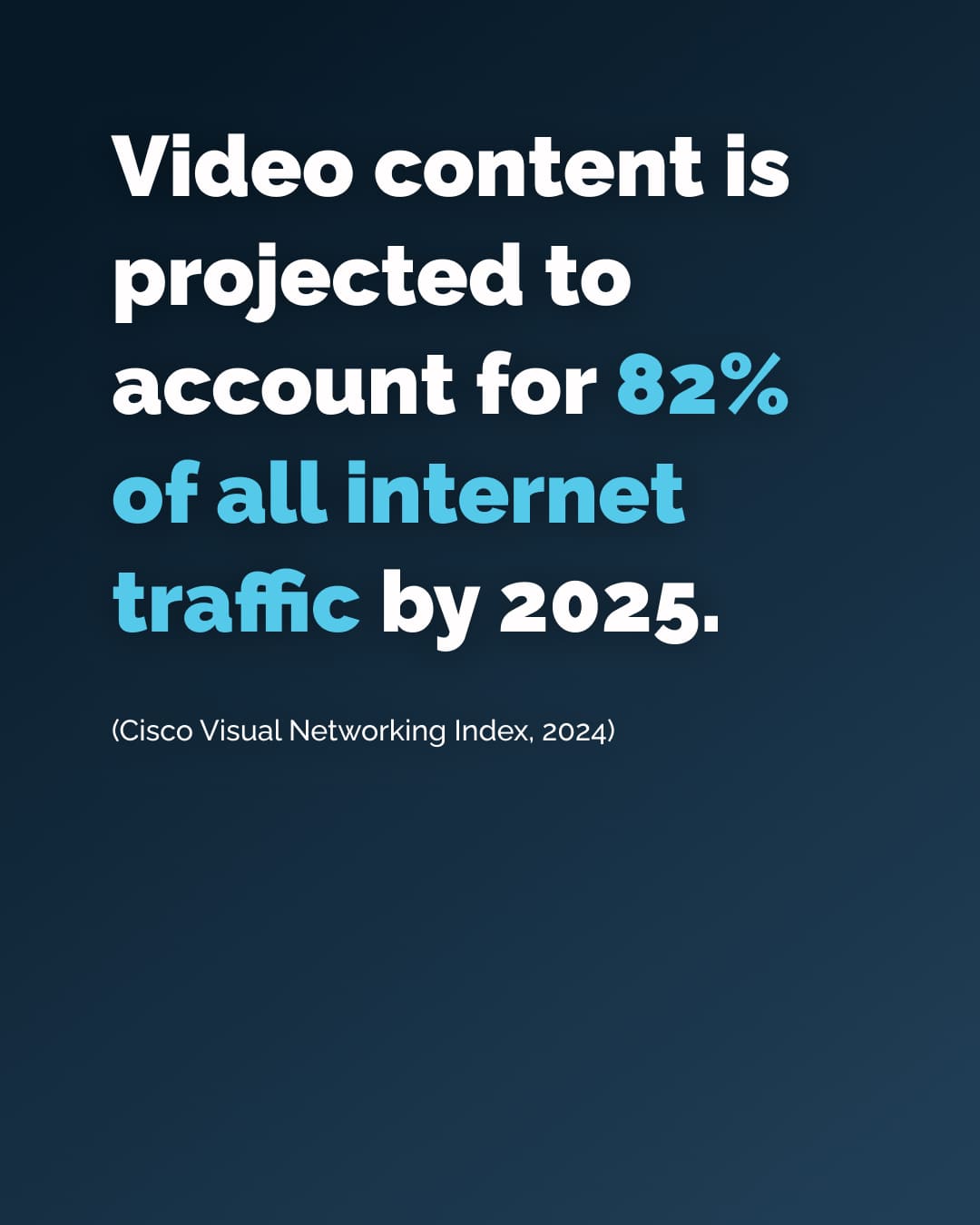
- 2025 Projection: Video is expected to make up 82% of all consumer internet traffic.
- Consumer video apps alone account for 39% of fixed-line download traffic, with YouTube representing ~16% of global internet traffic by itself.
- Social media traffic (a lot of it video) now accounts for around 18% of fixed download traffic.
- Online video reaches over 92% of all internet users worldwide.
TikTok, Reels, Shorts, Twitch, the “feed” is now a firehose of rich media. From a data perspective, static text is a rounding error.
Billions of Little Voices
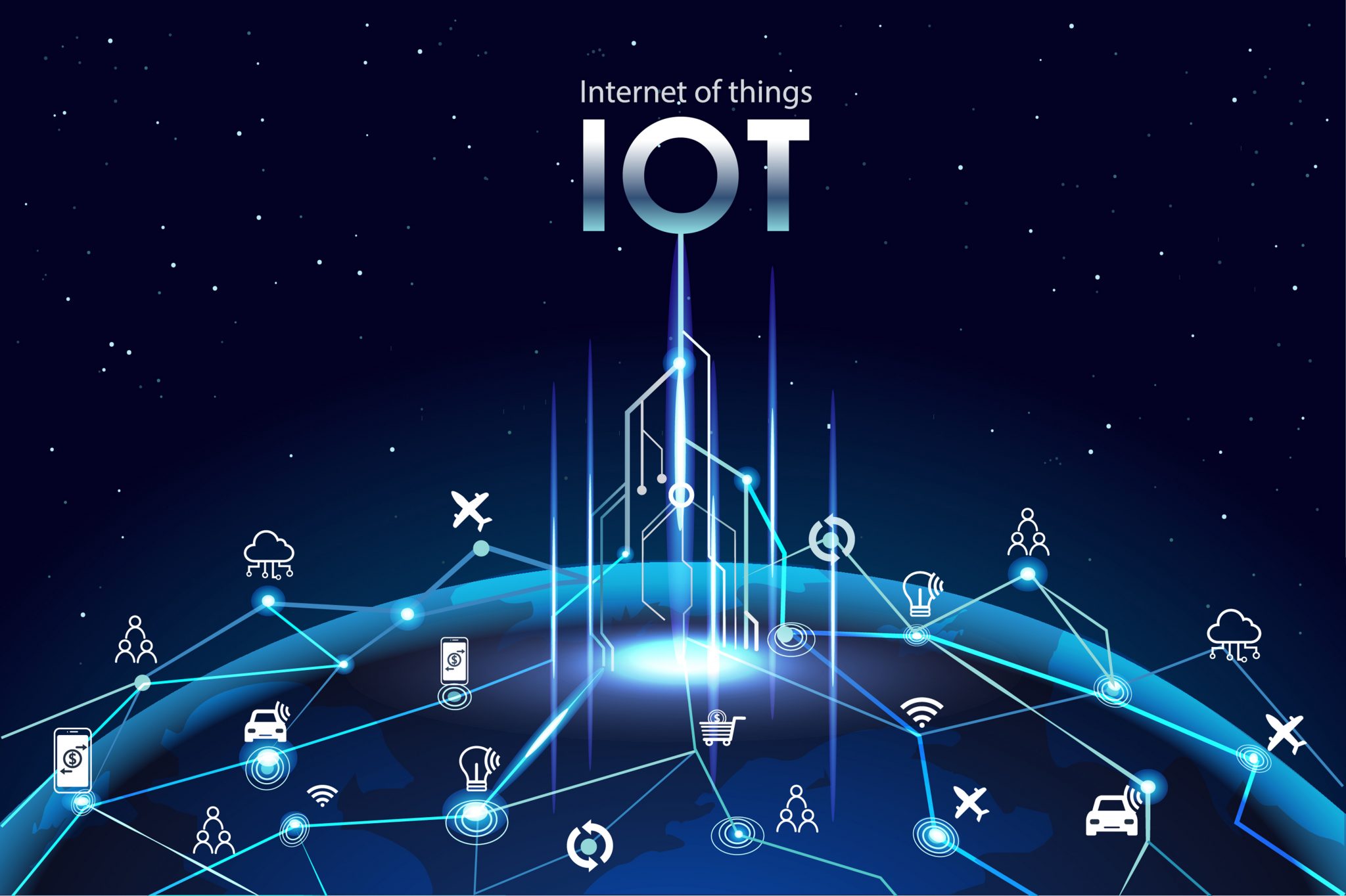
While video dominates bandwidth, IoT dominates events.
- There were ~18.5 billion connected IoT devices in 2024, projected to reach ~21.1 billion in 2025 and ~39–40 billion by 2030.
- Cellular IoT connections alone (just the SIM-based slice) approached 4 billion in 2024, expected to climb past 7 billion by 2030.
Each sensor is “small,” but at the planetary scale, IoT becomes this constant heartbeat of data with temperatures, locations, vibrations, power usage, telemetry from cars, factories, smart cities, homes, and more.
Logs, SaaS & AI
Enterprises are also hoarding:
- Modern SaaS, observability tools, and AI pipelines generate massive logs and metadata streams, often outpacing traditional transactional data.
- AI training adds another exponential layer. Large language models and vision models are trained on petabytes of text, images, and video, with fine-tuning and usage data piled on top.
Even though we don’t have a perfect public number for “AI-only” data, every hyperscaler and AI infra company is saying the data pipelines are the new competitive moat.
Securing the Data Tsunami & The Rise of Personal Knowledge Management
Where there is data, there is opportunity...and risk.
Cybersecurity Ventures projects 200+ zettabytes of stored data by 2025, a staggering surge that fuels both innovation and cybercrime. As organizations generate more information than ever, a new layer of security is becoming essential.
Leadership in the Age of Too Much Information
This is where it gets interesting. In an overloaded environment, the advantage shifts from “who has the most data” to who has the sharpest filters and clearest priorities.
How I See High-Performing Leaders Responding
Set a clear AI-first vision.
Leaders define what “AI-powered” means across their org. They build an AI-first culture where agents handle the bulk of operational noise, with humans managing exceptions, not workflows.
Adopt an AI Agent model.
Everything that can be automated is automated. A small group oversees models, prompts, and dashboards while AI runs quietly in the background.
Eliminate tech slack and kill zombie tools.
If a tool isn’t used, isn’t integrated, or isn’t adding value, it’s retired. Simplicity becomes a competitive advantage.
Use AI to compress information.
Long threads, documents, and meetings get distilled into bullet points and next steps, automatically.
Deploy agents for frontline triage.
Customer emails, support tickets, alerts, and notifications are handled by AI, with only the meaningful exceptions escalated to people.
Leaders who can design for clarity will win. If everyone else is drowning in dashboards and notifications, the team that has a shared one-page operating system and a disciplined knowledge stack moves faster.
I don’t think we can stop the data tsunami, but we can absolutely decide how to surf it.
If you enjoyed this, forward it to someone who’s feeling the pressure of information overload, or reply and tell me how you’re designing your own “information stack” for the year ahead.
Let’s keep growing exponentially (without burning out).
David Olivencia